
Communication, crucial lever for showcasing the international initiatives of local authorities
Too often overlooked or criticised, the international work of local authorities plays a far more important role than many realise. To ensure it is understood and supported, public communication must help make its purpose, impact and added value visible.
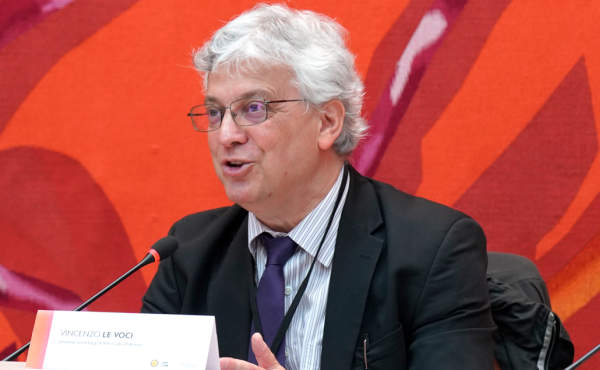
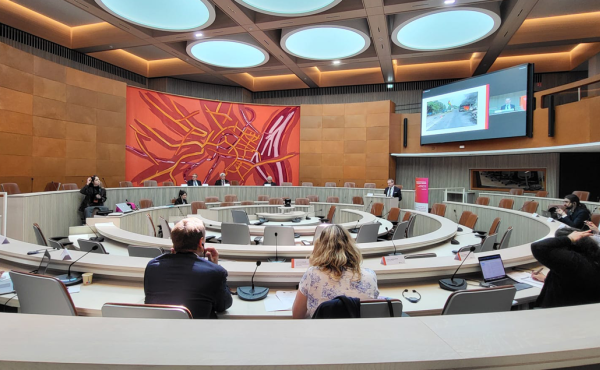
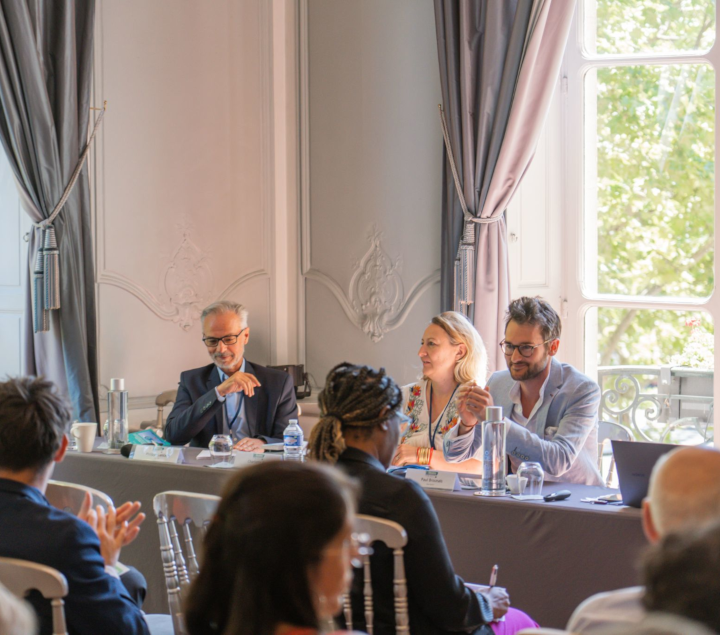
On 4 July, Cités Unies France hosted its Annual Meetings on the International Action of Local Authorities (AICT) – a major gathering for elected officials and practitioners involved in international cooperation. Cap’Com was represented by Philippe Lancelle, a Steering Committee member, who contributed to a workshop dedicated to the role of communication in promoting AICT. He shares his experience with us.
Led by Simone Giovetti, International Advocacy Delegate at Cités Unies France, the discussion also brought together Paul Brounais, founder of the agency Deux Quatre, and Charlotte Rieuf, head of international cooperation for the Hauts-de-Seine department and president of Arricod, the association of professionals in European and international action within local authorities. Together, the speakers highlighted a central challenge: how to better help citizens understand the value of international cooperation carried out by local authorities, which are often perceived as distant from their daily concerns.
The workshop emphasized that the role of public communicators is not to persuade at all costs or to serve electoral logic, but to support elected officials in explaining, sharing and giving meaning to their policies. When faced with sometimes recurring criticism, it is essential to draw on concrete stories, testimonies from those involved and tangible examples of local impact. Showing, for instance, how a cooperation project advances sustainable development, supports young people or enriches a community’s cultural life is a powerful way to counter stereotypes and strengthen public support.
By contributing to this workshop, Cap’Com reaffirmed its role as a platform for exchange and expertise in public communication. More than ever, the international cooperation of local authorities calls for communication that is clear, informative and inspiring if it is to be recognised as a fully fledged public policy that is vital to the future of our regions.